
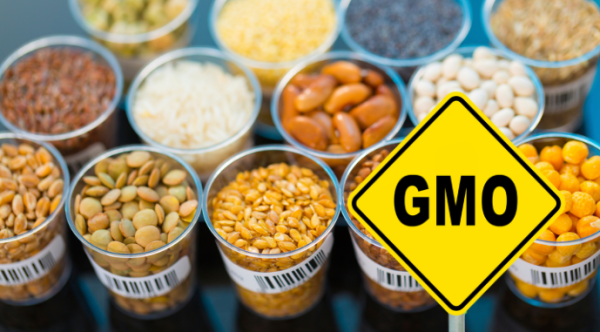
The existing draft legislation concerning new genomic techniques within the EU indicates that certain GMOs will be categorized as non-GMOs and will only be permitted for use if accompanied by correct seed labeling. This scenario is anticipated for Ukraine’s future.
This perspective was shared by Myroslav Pariy, co-founder and director of the company «Ukrainian Scientific Institute of Plant Breeding», during the Soy Discussion Club event titled «The Non-GM Law: What Should Agricultural Producers Prepare For?».
«Once a GMO is entered into the registry, it will be essential to register the varieties that incorporate these GMOs. This phase is projected to become feasible in 2029. Consequently, by 2030, the official distribution of seeds from GM varieties is expected to commence in Ukraine. New genomic techniques, specifically NGT-1 seeds, will bypass the risk assessment process. They will simply be added to a designated register based on the manufacturer’s submission. The sole stipulation will be the labeling of the seeds. The majority of European enterprises are heavily invested in this domain, aiming to develop NGT-1 GMOs and circumvent the expenses associated with registering conventional GMOs. There will also be NGT-2 – developments achievable through traditional breeding methods, although this approach is considerably time-consuming», Myroslav Pariy explained.
Furthermore, he pointed out that the EU has declared an intention to streamline the registration and authorization processes for GMOs intended for environmental release.
Viktoriia Polevyk, AgroPortal.ua