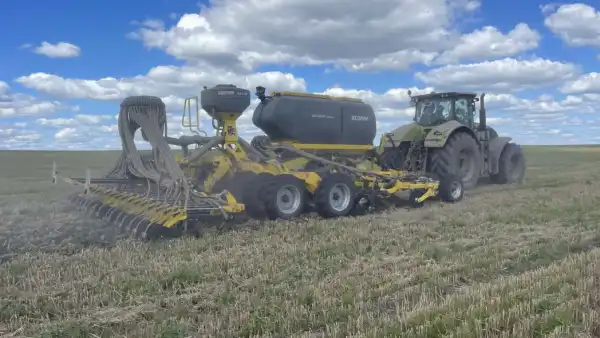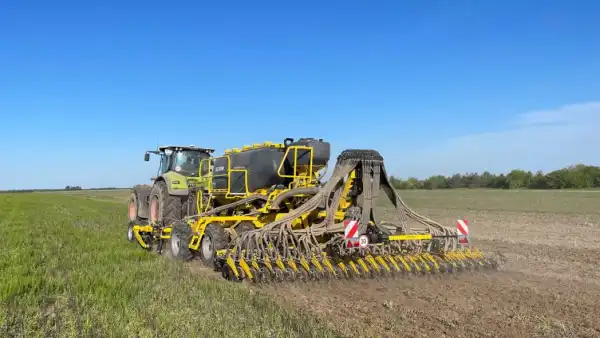

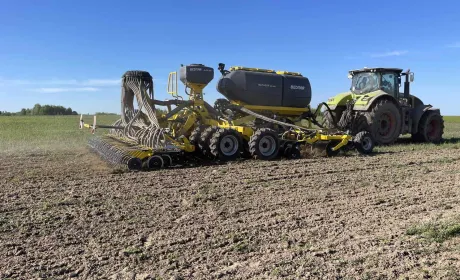
Strip-tillage and sowing with the BEDNAR MATADOR planter
Strip-tillage is an advanced farming method that combines the agronomic benefits of row-based cultivation with the preservation of soil structure between rows. The core principle involves targeted, zonal loosening of the soil exclusively within the future seedbed, followed by subsequent re-compaction. In practice, this translates to improved conditions for seed germination and root development, more effective management of moisture and nutrients, and a reduced risk of soil degradation. The BEDNAR MATADOR MO planter, utilizing strip-tillage, further enhances this technology by enabling soil cultivation, fertilizer application, and seeding in a single pass.

Why strip-tillage accelerates seed germination
The seed row requires an environment conducive to rapid crop emergence. Strip-tillage ensures adequate aeration, promoting quicker soil warming and more vigorous germination. The outcome is faster growth of emerging seedlings and a more uniform emergence pattern. Simultaneously, optimal loosening and re-compaction stabilize the seedbed, giving it a structure that enhances seed-to-soil contact and subsequent moisture absorption.
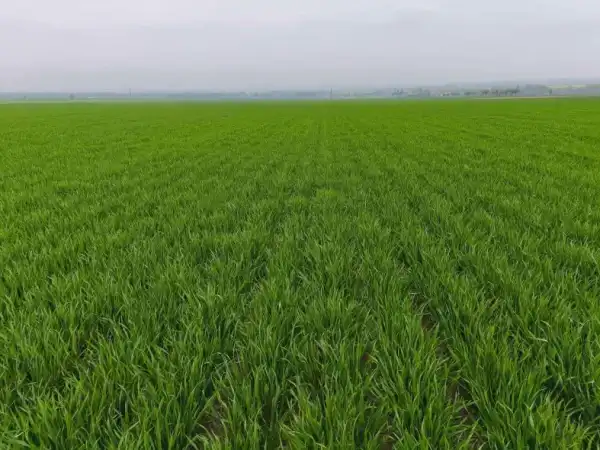
Strip-tillage ensures sufficient air supply, which promotes faster soil warming and more dynamic germination.
Adequate moisture in the root zone
Strip-tillage facilitates the rapid infiltration of rainwater into the seed row and consequently the root zone. Water retained at deeper levels experiences less evaporation loss during the early stages of growth, which is particularly beneficial during periods of irregular rainfall. Concurrently, the soil structure in the undisturbed areas remains stable. Capillarity is maintained, allowing water to rise from lower soil layers for the plants to utilize in later growth phases.

Strip-tillage promotes rapid penetration of rainwater into the seed row and thus into the root zone.
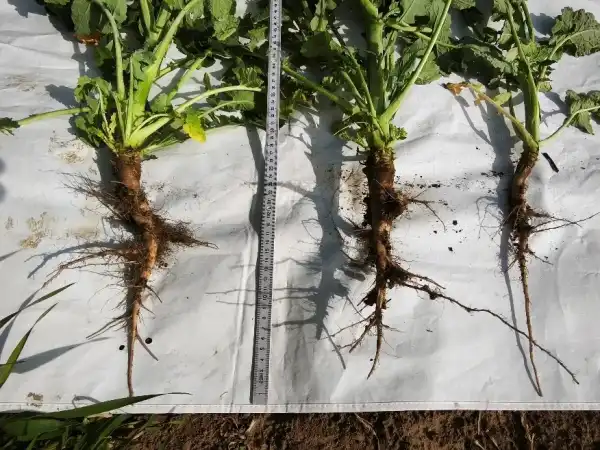
Stronger root system
The loosened strip within the crop row encourages root growth and penetration into deeper soil layers. A well-developed root system enhances plant resilience under stress conditions such as frost or drought. Furthermore, it improves plant stability and their capacity to absorb water and nutrients throughout the entire growing season.
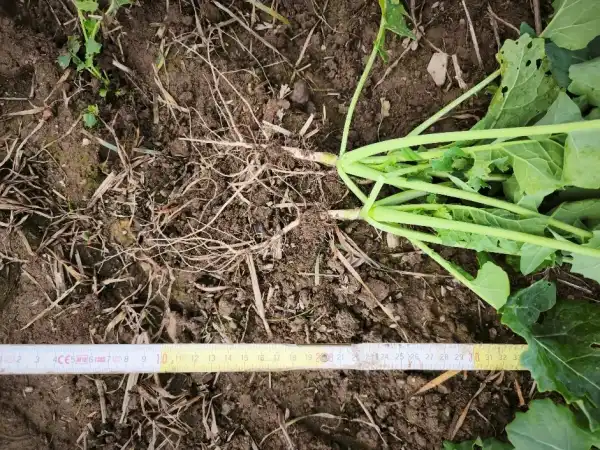
Localized fertilizer application
A primary advantage of strip-tillage is its ability to direct rainwater within the loosened strip towards the fertilizer application zone. This accelerates the dissolution and movement of nutrients into the soil solution, making them immediately available to the plants. The combination of readily available water and nutrients creates an attractive growth zone for roots and boosts nutrient uptake, especially during the early growth stages that establish yield potential.
One pass = reduced soil compaction, lower risks, higher efficiency
Repeated field passes by machinery are a major contributor to soil compaction and the gradual decline of soil quality. Performing soil cultivation, fertilization, and seeding as separate operations not only consumes more time and fuel but also increases the risk of soil damage. The MATADOR MO allows these operations to be completed in a single pass, reducing the number of field entries and limiting pressure on the soil profile. This offers significant advantages from both an agronomic and economic standpoint. Operations become more efficient, soil structure more stable, and the risk of yield loss diminishes.
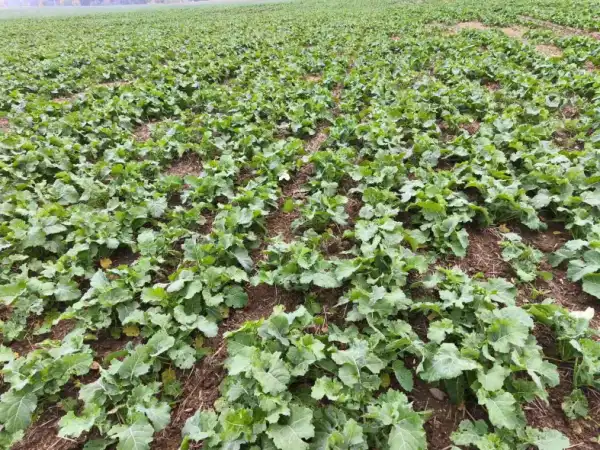
Soil cultivation, fertilization, and sowing in one pass lead to better yields.
Erosion protection and gentler soil handling
Another benefit of strip-tillage is that the soil between the cultivated strips remains minimally disturbed. With the appropriate selection of working tools (e.g., narrower tines and wider row spacing), more crop residue can be left on the surface, reducing erosion risk and helping to protect the soil from both direct rainfall impact and drought. Differentiated soil tillage, focused solely on the rows, simultaneously mitigates the negative effects of intensive loosening on soil fauna, slows down the decomposition of organic matter, and reduces unnecessary CO₂ emissions.
BEDNAR MATADOR MO as a tool for modern agriculture
Strip-tillage is not merely an alternative method of soil cultivation; it is a comprehensive system for managing soil moisture, structure, and nutrient content.
The MATADOR MO planter serves as a pivotal component of this system, integrating operations to ensure precise and efficient strip preparation, accurate fertilization, and effective seeding. The result is faster sowing, enhanced utilization of moisture and nutrients, and a more soil-friendly approach that also lowers operational costs.
If you are seeking a technology that combines productivity, agronomic soundness, and long-term soil conservation, strip-tillage with simultaneous seeding using the MATADOR MO is a sensible solution for both dry and normal growing conditions.